Guidance developed by the Inter-agency Task Team on HIV in Emergencies that provides considerations for Preparedness and Response in relation to COVID-19 and HIV in humanitarian situations as well as a list of HIV-E guidance relevant in the COVID-19 context.
Continue reading
This guide is intended for use by qualified health-care providers (medical doctors, clinical officers, midwives and nurses) who are working in humanitarian emergencies or other similar settings, and who wish to develop specific protocols for the medical care of survivors of sexual violence and Intimate Partner Violence. It contains a specific annex on Protocols for post-exposure prophylaxis of HIV infection.
Continue reading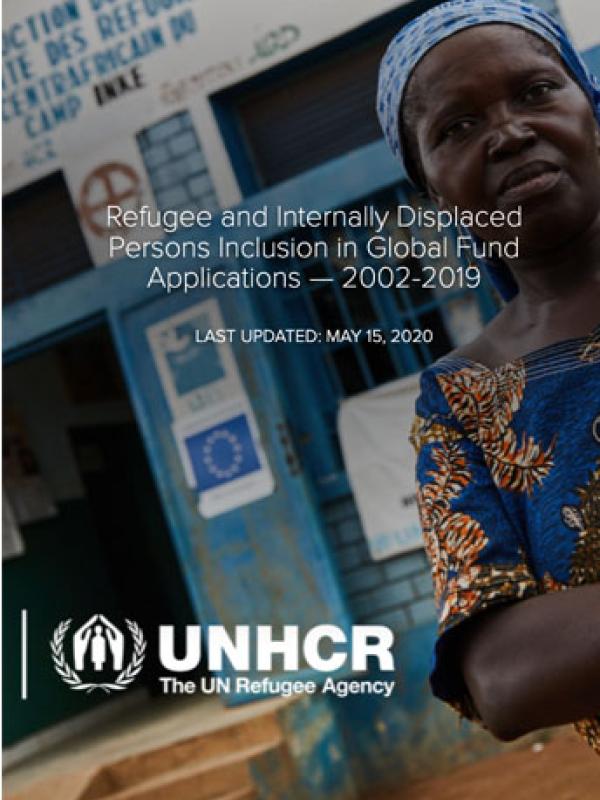
Malaria, HIV/AIDS and tuberculosis (TB) present unique risks to refugees and internally displaced persons (IDPs) around the world. High levels of mobility, poor living conditions and exposure to violence can all contribute to increased risk of exposure and decreased access to health services. As one of the largest financiers of global health programs, The Global Fund to Fight AIDS, TB and Malaria is a vital source of support to ensure refugees and IDPs have access to quality disease prevention, treatment and care services. The United Nations High Commissioner for Refugees (UNHCR) and the United Nations Foundation performed a review of how refugees and IDPs were included in Global Fund applications between 2002-2019. Global results and downloadable scorecards for each eligible country can be found below.
Continue reading
Estimation of the impact of the CAR conflict on patient mortality and definition of patient-level risk factors for mortality
Continue reading
This study explores whether current policies and services adequately address the SRHR and HIV needs of adolescent girls and young women in emergencies, and identifies missed opportunities to support those living with HIV. A scoping review of literature (2002–2017), desk review of guidance documents, and expert consultations informed the analysis.
Continue reading